Motor carriers live and die by their ability to keep drivers qualified, vehicles safe, and documentation airtight. CDL compliance is the thread that ties all of it together, and a single gap can unravel your entire operation when a DOT audit lands on your desk.
This guide breaks down exactly what CDL compliance means in practice, which federal regulations drive it, and how frequent mock audits can save your company thousands in fines before a DOT investigator ever shows up.

What CDL Compliance Means for Motor Carriers in 2026
CDL compliance is the full set of rules and practices that ensure every driver holding a Commercial Driver’s License meets federal and state requirements to operate a commercial motor vehicle. It is not a standalone concept. CDL compliance is directly tied to DOT compliance, DOT regulations, and the enforcement framework administered by the Federal Motor Carrier Safety Administration (FMCSA). DOT compliance is required for all USDOT-registered commercial vehicles, and CDL compliance sits at its center.
In practical terms, CDL compliance covers driver qualification, proper licensing, medical fitness, hours of service, drug and alcohol testing, and vehicle safety for CDL holders. CDL compliance involves monitoring hours of service using Electronic Logging Devices, verifying endorsements, maintaining current medical certifications, and ensuring every driver qualification file is complete. Maintaining CDL compliance requires meeting strict licensing and operational standards, and safety regulations prevent crashes by ensuring only qualified drivers operate vehicles. CDL compliance is essential for public safety and legal operation.
As of 2026, FMCSA enforcement intensity continues to climb. The agency uses CSA (Compliance, Safety, Accountability) scores to flag carriers with performance issues, and those scores are publicly visible to shippers, brokers, and insurers. Non-compliance is more visible and riskier than ever for any motor carrier in the trucking industry.
Here is what that risk looks like in practice: a single CDL driver operating with an expired medical card gets flagged during a roadside inspection. That inspection feeds data into the carrier’s CSA profile, which can trigger a full DOT compliance review. The review then uncovers additional compliance gaps-missing driver qualification files, incomplete drug and alcohol testing records-and suddenly the carrier faces costly fines, a conditional rating, or worse.
Focused Compliance Group (FCG) specializes in finding exactly these kinds of CDL and DOT compliance gaps before DOT investigators do. FCG conducts frequent mock audits that replicate the structure and standards of actual DOT audits, giving motor carriers a clear picture of where they stand and what to fix immediately.
Key Federal Rules That Drive CDL Compliance
CDL compliance is built on specific FMCSA rules under Title 49 of the Code of Federal Regulations. Every motor carrier needs to know which parts apply to their operations and how those parts interact. Employers must adhere to FMCSA rules and state requirements for CDL compliance, and failure in any area can surface during a DOT audit, resulting in both degraded federal motor carrier safety ratings and monetary fines.
Here are the core regulatory areas:
- Part 383 – Commercial Driver’s License Standards: Governs who can issue CDLs, testing requirements, endorsement and restriction standards, and non-domiciled CDL rules. Anyone applying for a new Class A or B CDL must complete mandatory entry-level driver training under related Part 380.
- Part 391 – Qualifications of Drivers: Sets the baseline for physical fitness, medical certification, driving history verification, employment applications, and driver qualification file requirements.
- Part 382 – Controlled Substances and Alcohol Use and Testing: Defines what drug and alcohol testing is required, when it must happen, employer responsibilities, and the Clearinghouse mandate. CDL holders are subject to drug and alcohol screening under this part.
- Parts 390–396 – General, Vehicle, and Safety Rules: Part 390 covers general applicability and definitions. Part 395 handles hours-of-service limits. Part 396 addresses vehicle inspection, repair, and maintenance requirements.
These parts do not operate in isolation. Consider a new Class A driver with a hazmat endorsement: that driver must complete entry-level driver training (Part 380), acquire the CDL with the correct endorsement (Part 383), obtain a medical examiner’s certificate from a National Registry-certified examiner (Part 391), submit to pre-employment drug testing (Part 382), and follow hours-of-service rules (Part 395). Miss one step and the entire chain breaks during an audit.
Driver Qualification: The Core of CDL Compliance
A complete, accurate driver qualification file is the foundation of CDL compliance for every CDL driver. It is also the area where auditors spend the most time during a compliance review. Auditors may request driver qualification records during audits, and incomplete files are among the fastest paths to enforcement action.
A compliant DQ file in 2026 must contain:
- Completed and signed application for employment (49 CFR § 391.21)
- Motor Vehicle Records from each licensing state where the driver held a license in the past 3 years, pulled within 30 days of hire and renewed annually
- Prior employer safety performance history covering at least the last 3 years, including both the request and the response
- Road test certificate or equivalent (the CDL itself often serves this purpose)
- Current medical examiner’s certificate from a National Registry-certified examiner
- Copy of CDL with all applicable endorsements and restrictions
- Annual review documentation, including MVR review and certification of violations
Retention matters too. DQ files must be maintained for the period of employment plus three years after the driver leaves.
Common DQ file problems found in DOT audits include missing previous employer checks, expired medical cards, incomplete or unsigned employment applications, and missing annual MVRs. Many fleets assume these documents are “close enough,” only to discover during an audit that close enough triggers violations.
FCG uses mock audits to review driver qualification files line by line, verifying document presence, expiration dates, endorsement accuracy, and proper signatures. This process catches missing or outdated documents before an official DOT audit. Poor driver qualification files are one of the fastest ways to earn a conditional or unsatisfactory rating in a compliance review.

CDL, Endorsements, and Medical Certification Requirements
CDL compliance is more than just having a license. It includes correct endorsements, valid restrictions, and active medical certification. Missing any one of these creates a violation that shows up in both roadside inspections and DOT audits.
CDL classes break down as follows:
|
Class |
Vehicle Type |
Weight Threshold |
|---|---|---|
|
A |
Combination vehicles |
GCWR over 26,001 lbs (towed unit over 10,000 lbs) |
|
B |
Single vehicles |
GVWR over 26,001 lbs |
|
C |
Smaller vehicles |
Hazmat, passenger, or other special operations |
Common endorsements include tank (N), hazardous materials (H), passenger (P), school bus (S), and doubles/triples (T). Drivers must possess appropriate endorsements for specialized hauling, and CDL compliance includes passing required knowledge and skills tests for specific vehicle classes.
In 2026, medical certification expectations remain strict. Drivers must pass a physical examination conducted by a certified medical professional, and the certificate must be linked to the CDL at the state driver licensing agency and documented in the DQ file. Drivers must hold a valid CDL from their single state of domicile, and drivers must track their medical card and CDL renewal dates to avoid downgrades.
Non-domiciled drivers face strict eligibility boundaries under FMCSA regulations. As of March 2026, only certain immigration statuses (H-2A, H-2B, E-2) qualify for a non-domiciled CDL or Commercial Learner’s Permit. CDL requirements can vary based on state regulations and type of operation, whether interstate or intrastate.
A carrier that allows a driver with an expired medical card to continue operating will almost certainly be cited during a DOT audit, resulting in out-of-service orders, citations, and downstream fines.
Hazardous Materials and CDL Compliance
Hauling hazardous materials adds strict, additional layers to both CDL and DOT compliance. Hazmat violations carry elevated risk during DOT audits, and when combined with other CDL compliance issues, they can quickly push a carrier into a conditional or unsatisfactory rating.
Hazmat-specific driver requirements include:
- Hazardous Materials endorsement (H) under Part 383, requiring a knowledge test
- Transportation Security Administration (TSA) threat assessment
- Recurrent hazmat training every 3 years
- Proper inclusion of training certificates and TSA authorization in DQ files
DOT auditors expect to see specific hazardous materials documentation: training certificates, shipping papers, placarding procedures, and emergency response information. Each document must be current records, properly maintained, and readily accessible.
FCG mock audits specifically review hazardous materials files, training records, and shipping paperwork. This targeted assessment helps motor carriers identify areas of weakness and prevent repeat violations that compound during formal audits.
How DOT Compliance and CDL Compliance Intersect
CDL compliance is a subset of overall DOT compliance. In practice, DOT auditors rarely separate them. When investigators arrive, they pull CDL-related records as part of a comprehensive review: driver lists, DQ files, drug and alcohol testing results, hours-of-service logs, vehicle list data, and accident registers-all tied to specific CDL drivers.
Drivers must adhere to hours of service limits to prevent fatigue, and employers must conduct pre-employment queries in the Drug & Alcohol Clearinghouse before hiring or allowing a driver to perform safety-sensitive functions. These requirements overlap across multiple regulatory parts, and a gap in one area often reveals gaps in others.
CSA BASIC categories are directly impacted by CDL driver behavior. Driver Fitness reflects driver qualification and medical certificate issues. Hours of Service tracks log violations. Controlled Substances and Alcohol captures drug and alcohol testing failures. Crash Indicator measures accident frequency, and Vehicle Maintenance ties to inspection reports and repair records. Repeated CDL-related violations-missing medical cards, incorrect endorsements, log falsification-push CSA scores high enough to trigger targeted DOT audits.
Trucking companies must maintain detailed inspection and maintenance records for vehicles, alongside complete CDL driver files. FCG’s approach audits CDL compliance and broader DOT compliance together so motor carriers do not fix one compliance area and miss another.
Understanding DOT Audits and Safety Ratings
A DOT audit, formally called a compliance review, is an examination of a motor carrier’s operations, records, and safety management controls. Motor carriers with CDL drivers should expect them, especially after crashes, complaints, or poor CSA performance. DOT audits assess compliance with FMCSA safety protocols, and DOT audit letters are usually sent one to two weeks in advance.
Main DOT audit types relevant to CDL operations include:
- New Entrant Safety Audit: Required for carriers with a new USDOT number. DOT audits include New Entrant Safety Audits for new carriers, conducted within 12 months of beginning operations. Pass rates have historically hovered around 90–92%.
- Full Compliance Review: A detailed examination covering all compliance areas-driver qualification, vehicle maintenance, HOS, drug and alcohol testing, and accident records.
- Focused Reviews: Target specific compliance concerns like HOS violations or driver fitness deficiencies.
- IFTA Audits: Review fuel tax reporting and related documentation.
DOT audits can take weeks and may require follow-ups. Fleets must maintain six months of logs for audits, and vehicle inspection records must be maintained for one year.
FMCSA assigns three safety ratings after a compliance review: satisfactory, conditional, and unsatisfactory. A satisfactory rating means the carrier meets minimum safety fitness. A conditional rating signals marginal safety performance with significant violations. An unsatisfactory rating indicates serious problems that can lead to authority revocation, loss of shipper contracts, and inability to operate.
A carrier with recurring driver qualification and CDL issues-expired medical certificates across multiple drivers, incomplete DQ files, missed drug testing-can see a satisfactory rating drop to a conditional or unsatisfactory rating in a single audit cycle.
Mock audits by FCG mirror official DOT audits, allowing carriers to see where their rating would likely land and fix issues before the investigator arrives.
Common CDL Compliance Violations That Lead to Costly Fines
Many CDL-related violations are predictable and preventable, yet they repeatedly appear in DOT audits and roadside inspections. The pattern is consistent: carriers attempt to fix documentation only when an inspection or audit is imminent, instead of maintaining continuous compliance.
Violations that show up most often include:
- No proof of medical exam or expired medical examiner’s certificate
- Expired CDL or missing endorsements
- Missing DQ file components (employment application, prior employer checks, annual MVRs)
- Incomplete drug and alcohol testing records or missing Clearinghouse queries
- Hours-of-service violations (driving over limits, missing required breaks)
- Unreported or poorly documented accidents
Fines for CDL and related DOT compliance violations can quickly total thousands of dollars per driver, especially when patterns of non-compliance are found across multiple files. Compliance helps avoid severe civil penalties and revocation of operating authority. Beyond direct penalties, CDL-related violations raise insurance premiums and push a motor carrier into enforcement programs or closer FMCSA monitoring. Maintaining a compliant fleet lowers liability insurance premiums, while non-compliance drives them up.
FCG’s mock audits are designed specifically to uncover these recurrent CDL compliance gaps before they become expensive DOT findings. The goal is to avoid penalties before they happen, not scramble to respond after the fact.
Mock DOT Audits as a Strategic CDL Compliance Tool
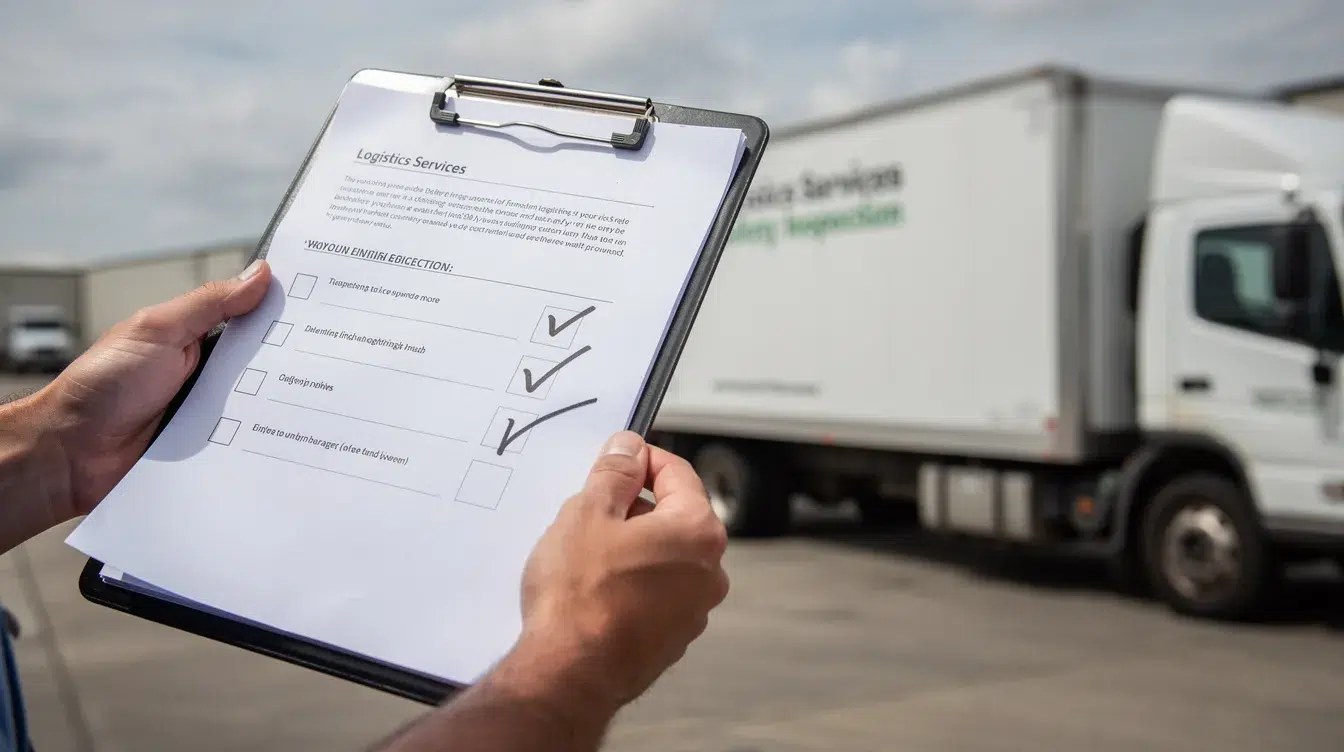
Regular mock audits are the most effective way to keep CDL compliance on track and avoid surprise DOT findings. Mock DOT audits simulate official audits to identify compliance issues before they generate fines or rating downgrades. Fleets should prepare documentation before being notified of an audit-not after.
A mock audit works by reviewing the same categories DOT auditors use: driver qualification files, CDL and endorsement status, drug and alcohol program records, hours-of-service logs, vehicle records, accident history, and hazardous materials documentation. FCG conducts these reviews against current DOT audit standards, ensuring nothing is missed. Fleets must provide six months of logs for DOT audits, and a mock audit verifies that those logs are complete, accurate, and ready.
The benefits of regular mock audits include:
- Identify compliance gaps early, before they compound
- Correct documentation and update expired items
- Train staff on proper procedures and record-keeping
- Demonstrate a culture of safety and compliance during an actual DOT audit
- Prepare a corrective action plan for every finding
For motor carriers, the recommended frequency is at least annually for stable fleets. Carriers that have received a conditional or unsatisfactory rating, or that are experiencing rapid growth or high driver turnover, should run mock audits every six months or quarterly.
How Frequent Mock Audits Protect Your Safety Rating
Repeated self-assessments connect directly to long-term federal motor carrier safety performance and better audit outcomes. Strong compliance prevents costly DOT audits and reputational damage, and the carriers that maintain compliance year after year are the ones running regular internal reviews.
Each mock audit provides a snapshot of where a carrier would stand if DOT conducted an audit on that date. Findings from each review should feed into a corrective action plan: updating policies, fixing DQ files, adding training, and tightening internal checks. This process of continuous improvement is what separates carriers who stay satisfactory from those who drift into a conditional or unsatisfactory rating.
Consider a carrier flagged for multiple driver qualification deficiencies and HOS violations. By engaging FCG for quarterly mock audits over a 12-month period, the carrier systematically corrects CDL file issues, retrains dispatchers on hours-of-service procedures, and implements an expiration tracking system. Safety rating upgrades assist carriers with conditional or unsatisfactory ratings, and this disciplined mock-audit cycle is often the path to achieving one.
Building a CDL Compliance Program That Survives Any DOT Audit
CDL compliance must be a continuous compliance program, not a one-time paperwork push before a DOT audit. The process is time consuming, but the alternative-scrambling to comply under the pressure of an active investigation-is far more expensive and far less effective.
Essential elements of a strong CDL compliance program include:
- Written policies covering every compliance area (driver qualification, drug and alcohol testing, HOS, vehicle maintenance, hazardous materials)
- Standardized DQ file checklists that mirror FMCSA requirements
- A system to track CDL and medical card expiration dates so records stay up to date
- Regular training for safety managers, dispatchers, and drivers
- Internal spot checks and scheduled mock audits with FCG
- Vehicle inspection records maintained for one year, with inspection reports organized and accessible
Create a living CDL compliance checklist that managers review monthly to follow internal compliance guidelines. Focus on high-risk areas such as driver qualification, drug and alcohol testing, hours-of-service, hazardous materials, and accident documentation. Implement procedures that keep drivers safe and keep your company compliant across all operations.
Leadership buy-in is critical. Dispatch, safety, and HR must work together to assess risk, track findings, review documents, and implement corrective actions. The goal is to keep motor carrier operations genuinely compliant-not just “audit ready” on paper.
Don’t wait for a DOT audit letter to find out where your compliance stands. Schedule a mock DOT audit with Focused Compliance Group today. FCG finds the problems before DOT does, helping you maintain compliance, protect your authority, and save thousands in fines.