
DOT and FMCSA regulations are triggered by the type of operation you run – vehicle weight, cargo, interstate commerce, CDL Small Fleet Does Not Mean Small Compliance Responsibilities
If you run a trucking business with one to ten trucks, you already know your days are full. You are dispatching loads, managing drivers, dealing with customers, chasing invoices, keeping equipment running, and probably driving a truck yourself some of the time.
Compliance paperwork is rarely the first thing on your mind when a load needs to move.
But here is the reality: small fleet operators must navigate DOT and FMCSA regulations just like larger carriers to avoid penalties, because the U.S. Department of Transportation regulates these requirements for small fleets as well as larger carriers. DOT regulations cover driver qualifications and vehicle maintenance. They cover drug and alcohol testing. They cover registration, hours of service, inspection records, and accident documentation. And none of those requirements come with a footnote that says “unless you have fewer than ten trucks.”
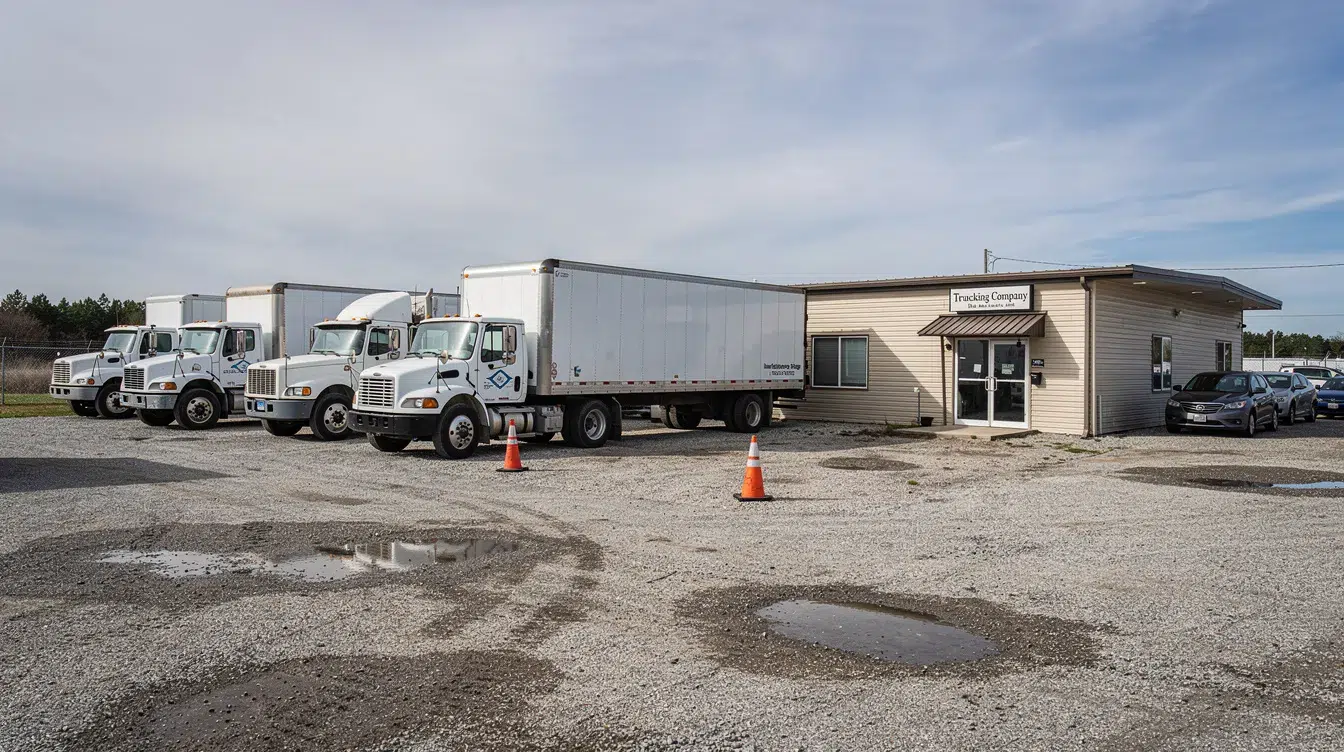
Fines for DOT violations increased in 2017, and they have continued to climb. Violations can lead to fines, suspension, or jail time depending on the severity and whether records were falsified. The FMCSA does not check your fleet size before issuing a penalty – they check your files, your processes, and your records.
This article is a practical trucking company compliance checklist built for 1–10 truck companies, with a practical focus on fleet compliance. It walks through the compliance areas that are most likely to apply to your operation, shows how the workload multiplies as you add drivers and trucks, and explains when it might make sense to bring in outside help. Focused Compliance Group (FCG) is a DOT compliance and safety services company that works specifically with small and growing fleets, helping manage the administrative workload so owners can focus on running their operations.
If you are not sure whether your operation falls under interstate or intrastate rules, whether your trucks trigger CDL requirements, or whether you need a formal drug and alcohol testing program, that is a good starting point for a conversation with FCG.
Understanding Whether DOT Compliance Applies Differently to Small Fleets
One of the most common misconceptions in the industry is that small trucking companies have lighter DOT requirements. They do not. DOT compliance rules in 49 CFR Parts 382, 383, and 390–399 are triggered by operation type, not fleet size.
Here is what actually determines which federal regulations apply:
- Vehicle weight: DOT compliance is required for vehicles over 10,001 pounds gross weight rating, and both vehicle size and weight affect which requirements apply. CDL requirements kick in at 26,001 pounds or when hauling hazardous materials requiring placards.
- Interstate vs. intrastate: Operating across state lines places you under federal FMCSA jurisdiction. Running only within one state may still subject you to equivalent state-level regulations.
- Cargo type: Hauling hazardous materials or transporting more than eight passengers (including the driver in some cases, 16+ in others) adds additional layers of compliance.
- CDL requirements: If your drivers must hold a commercial driver’s license, Part 382 drug and alcohol testing rules, Clearinghouse responsibilities, and more stringent driver qualification standards generally apply.
- For-hire vs. private carriage: For-hire interstate carriers need operating authority and must maintain evidence of financial responsibility.
An owner-operator running one tractor-trailer in interstate commerce with a CDL faces the same core regulatory requirements as a 50-truck fleet running the same lanes with the same equipment. The paperwork volume is smaller, but the rules are the same per driver and per vehicle.
Being an owner-operator with no other drivers still triggers obligations like Clearinghouse registration, consortium membership for random testing, and maintaining your own qualification records if you operate CDL-required commercial motor vehicles in interstate commerce.
Determining Which DOT/FMCSA Rules Apply to Your Specific Operation
Before you can build a compliance program, you need to understand which rules actually apply to your operation. Here is a quick checklist of the factors that matter:
- Vehicle gross weight rating: Over 10,001 lbs? You are likely subject to Parts 390–396. Over 26,001 lbs or requiring a CDL? Parts 382 and 383 come into play.
- Interstate or intrastate: Crossing state lines, even occasionally, generally triggers federal FMCSA jurisdiction.
- CDL-required drivers: If yes, drug and alcohol testing, Clearinghouse, and enhanced driver qualification rules apply.
- Hazardous materials: Additional training, security plans, and specialized documentation under 49 CFR Parts 172–173.
- Passenger operations: Vehicles designed or used to transport more than eight passengers (including the driver) trigger specific requirements.
- For-hire authority: Interstate for-hire carriers need MC operating authority and must maintain proper insurance levels based on cargo and operations.
Example scenarios:
|
Operation Type |
Key Compliance Areas |
|---|---|
|
3-truck dry van carrier, interstate, CDL drivers |
DQ files, HOS/ELD, drug & alcohol testing, Clearinghouse, vehicle maintenance, registration, accident register |
|
Regional box trucks under 26,001 lbs, intrastate |
State DOT rules (often mirror FMCSA), vehicle maintenance, possible HOS, registration |
|
Owner-operator, hazardous materials tanker, interstate |
All of the above plus hazmat training, security plan, enhanced insurance |
|
Family dump-truck operation, intrastate only |
State DOT requirements, vehicle maintenance, driver qualification (check state CDL thresholds) |
Vehicles over 10,001 pounds must be DOT compliant, and DOT compliance requires a USDOT number for commercial vehicles meeting that threshold. That number serves as a unique identifier used in safety monitoring and compliance reviews. Rules can change, so confirm specifics on the Federal Motor Carrier Safety Administration and your state DOT website. FCG helps small fleets map their operations to the correct DOT requirements so nothing falls through the cracks.
Driver Qualification Files (DQ Files): What Small Fleets Must Keep
Under 49 CFR Part 391, every motor carrier must maintain a driver qualification file for each driver operating a commercial motor vehicle subject to FMCSA rules. This is not optional, and it applies whether you employ one driver or ten. Maintaining complete driver qualification documentation is essential for compliance.
Driver qualification files must include valid CDLs, medical examiner certificates, and employment history. Here is what a complete DQ file typically contains:
- Completed employment application per § 391.21
- Initial motor vehicle record (MVR) from each licensing state
- Road test certificate or CDL road test equivalent
- Current DOT medical examiner’s certificate (drivers must pass a medical exam every two years to stay qualified and confirm they are physically fit to operate safely)
- Verification that the medical examiner is listed on the FMCSA National Registry
- Safety performance history inquiry responses from previous employers covering the prior three years
- Background check and driving history documentation
- Annual MVR review documentation
- Records of any training, corrective actions, license changes, or restrictions
Ongoing maintenance matters. You cannot just build the file at hire and forget it. Annual MVR reviews must be documented. Medical certificates must be renewed before they expire. Any CDL suspensions, endorsements, or restrictions must be recorded. Commercial drivers need a valid commercial driver’s license at all times, and your file must reflect their current status.
Retention rules require keeping most DQ file documents for the entire time a driver is employed, plus three years after they leave the company.
Managing a single DQ file for yourself as an owner-operator is straightforward. Managing five or ten files with overlapping expiration dates, annual reviews, and document renewals is a different animal. FCG offers driver qualification file setup and ongoing management, including tracking expiring medical cards, CDL dates, and preparing files for a DOT audit.
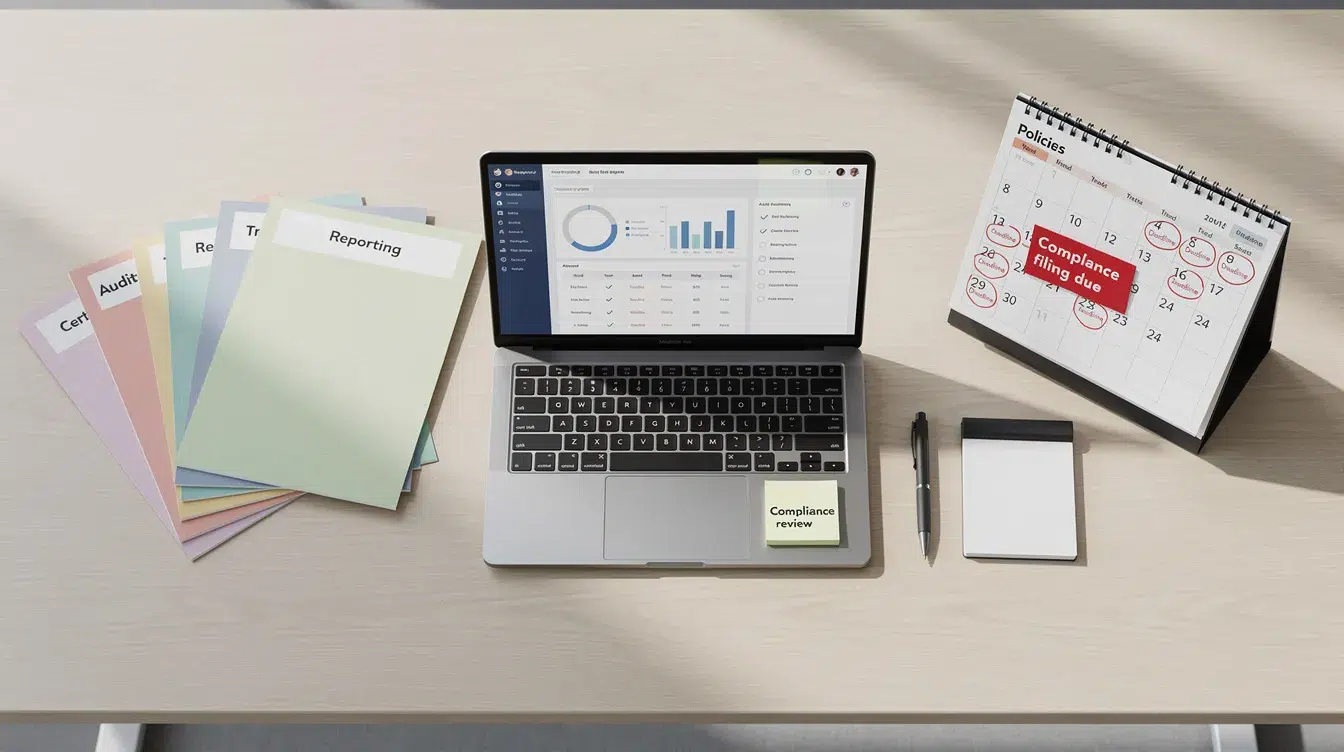
Driver Onboarding for Small Fleets: Building a Repeatable Process
Onboarding a new driver is more than handing over keys and a route sheet. It is the point where most DOT-required documents and verifications must be collected. Once you start hiring beyond yourself, this process becomes a regulatory event.
Pre-employment steps include:
- Collecting a completed driver application that meets 49 CFR § 391.21 requirements (listing prior CMV employment for the last ten years for CDL holders)
- Obtaining an initial MVR from each state where the driver holds or has held a license
- Conducting a background check – drivers must complete a background check within 30 days of hire
- Requesting safety performance history from previous DOT-regulated employers for the prior three years
- Verifying CDL class, endorsements, and restrictions
Additional onboarding items:
- Scheduling and confirming a DOT physical with a National Registry medical examiner
- Performing and documenting a road test or equivalent CDL evaluation
- Training on hours-of-service rules, company policies, pre trip inspections, post trip inspections, and any cargo-specific requirements
- If Part 382 applies: running a pre employment FMCSA Drug & Alcohol Clearinghouse full query with the driver’s written consent, and conducting a pre-employment drug test
As you grow from two drivers to five to ten, a written onboarding checklist and a standard packet of forms prevent missed signatures and incomplete files. Missing one document can mean a driver is technically unqualified, which creates risk during a roadside inspection or audit.
FCG provides standardized onboarding packets, CDL driver hiring checklists, and background screening coordination so small operations do not have to build the process from scratch every time they bring on a new driver.
Drug and Alcohol Testing: When It Applies to Small Fleets
Establishing a formal process for drug and alcohol testing is critical for compliance with DOT regulations. Under 49 CFR Part 382, testing obligations apply when drivers must hold a CDL to operate commercial vehicles in commerce – generally CMVs over 26,001 lbs, placarded hazardous materials loads, or vehicles designed to transport 16 or more passengers.
DOT compliance includes drug and alcohol testing requirements. Small fleets must implement a drug and alcohol testing program for drivers subject to these rules. The required types of DOT-regulated testing include:
- Pre-employment drug testing: Before a CDL driver performs any safety-sensitive function
- Random drug and alcohol testing: Currently 25% of safety-sensitive employees for drugs and 10% for alcohol annually (verify current FMCSA rate tables)
- Post accident testing: When specific criteria are met (fatality, injury requiring medical attention, or vehicle towed)
- Reasonable suspicion testing: When a trained supervisor observes signs of drug or alcohol abuse
- Return-to-duty and follow-up testing: After a violation, before the driver can resume safety-sensitive duties
Drug and alcohol testing must include pre-employment and random tests as per federal requirements. Drivers must undergo drug and alcohol testing regularly throughout their employment.
Owner-operators subject to Part 382 must enroll in a consortium or third-party administrator (C/TPA) random testing program. You cannot select yourself for random testing. This is one of the most frequently missed requirements for small carriers during audits.
It is important to distinguish DOT-regulated testing from non-DOT company drug testing. DOT tests must follow specific procedures, use approved labs, maintain proper custody-and-control documentation, and involve a Medical Review Officer (MRO). A company drug test does not substitute for a DOT-required test.
FCG manages DOT drug and alcohol testing programs for small fleets, including consortium services, random selections, result tracking, and reasonable suspicion training for supervisors – all areas where small carriers commonly struggle with the alcohol testing program requirements.
FMCSA Drug & Alcohol Clearinghouse Responsibilities
The FMCSA Drug & Alcohol Clearinghouse is the federal database that tracks CDL driver drug and alcohol program violations. It has been operational since January 2020, and small fleets are fully subject to its requirements.
Where Part 382 applies, employer duties include:
- Registration: Register in the Clearinghouse under the employer role
- Pre-employment full query: Run a full query with driver consent before hiring any CDL driver
- Annual limited queries: Conduct at least one limited query per year on every current CDL driver
- Violation reporting: Employers must report drug and alcohol program violations to the FMCSA Clearinghouse immediately – specifically by the close of the third business day after the employer or C/TPA is informed
- Return-to-duty reporting: Document and report return-to-duty test results within required timeframes
Owner-operators with their own USDOT number must designate a C/TPA in the Clearinghouse. They must also purchase a query plan directly – a C/TPA cannot purchase the plan on the owner-operator’s behalf.
Common small fleet challenges include forgetting annual queries, not properly documenting driver consent, and not realizing that refusals or positive test results trigger reporting deadlines measured in business days, not weeks.
FCG offers Clearinghouse support and C/TPA services, handling registrations, queries, and reporting so small carriers do not have to manage the portal and calendar deadlines alone.
Hours of Service (HOS) and ELD Oversight for Small Fleets
Even with one to three trucks, if your drivers are subject to FMCSA hours-of-service rules, they must comply every single day. Drivers must comply with hours of service limits to prevent fatigue in compliance with Part 395. The carrier – that is you – is responsible for oversight and record keeping.
Most interstate CMV drivers operating vehicles over 10,001 lbs are subject to Part 395 HOS rules unless they qualify for specific exemptions like the short-haul exception (100 or 150 air-mile radius, depending on CDL status and vehicle type).
Key HOS limits for property carriers:
- 11 hours maximum driving after 10 consecutive hours off-duty
- 14-hour on-duty window following 10 hours off-duty
- 60/70-hour limit over 7 or 8 consecutive days, with a 34-hour restart option
Electronic Logging Devices must be used to track hours of service for most commercial drivers required to maintain records of duty status. The exceptions are narrow – certain short-haul drivers, driveaway-towaway operations, and vehicles with pre-2000 engines.
Carrier responsibilities include setting up driver logins, training drivers on proper ELD use, monitoring driver logs for violations and falsification, and keeping supporting documents like fuel receipts and toll records for at least six months.
HOS violations can reach $16,000 per infraction. Falsification of records can incur fines into the six figures. These are not theoretical numbers – they are real enforcement actions that apply to carriers of every size.
For small fleets, the practical challenge is that the owner-operator may be trying to manage their own HOS records while also reviewing logs for two or three other drivers and handling dispatch at the same time. Simple internal log review routines – even fifteen minutes a day – can prevent major issues.
FCG can provide HOS policy templates, basic HOS and ELD driver training, and periodic log review services. FCG is not an ELD hardware vendor – the focus is on the compliance and oversight side.
Vehicle Inspection, Repair, and Maintenance Records
Under 49 CFR Part 396, carriers must perform regular inspections, repairs, and maintenance on every commercial motor vehicle under their control and keep specific records. All vehicles under a small fleet’s control must be systematically inspected and maintained, whether you run one truck or ten.
Key record types include:
- Maintenance files for each CMV: unit number, VIN, make, model, year, tire size
- Records of all inspections, repairs, and maintenance performed – fleets must keep detailed logs of all maintenance performed on their vehicles
- Preventive maintenance schedules with tracked due dates
- Annual DOT inspection reports per § 396.17 (each unit in a combination counts separately)
- Documentation that vehicles are equipped with mandatory safety equipment as per Part 393 regulations
Drivers must complete daily Driver Vehicle Inspection Reports before and after trips. When defects are discovered, the repair must be documented and certified before the vehicle is returned to service. DVIRs must be retained for at least three months.
DOT mandates regular vehicle inspections for commercial motor vehicles. Inspections and maintenance must be documented and performed regularly to comply with FMCSA regulations.
Retention periods:
|
Record Type |
Retention Period |
|---|---|
|
General maintenance and repair records |
1 year while vehicle is in service + 6 months after it leaves your control |
|
14 months from inspection date |
|
|
DVIRs |
At least 3 months |
|
Brake inspector qualifications |
Duration of role + 1 year after |
Fleets must keep maintenance records and proof of annual DOT inspections for 14 months. FMCSA requires maintenance records to be kept for the vehicle’s life plus six months after it leaves your control. Keep maintenance records for each commercial vehicle as mandated.
Safety is heavily tied to vehicle maintenance and repair frequency in a small fleet’s operations. When you go from one truck to five or ten units, the number of PM intervals, annual inspections, and repair records multiplies fast, which can overwhelm paper folders and manual tracking.
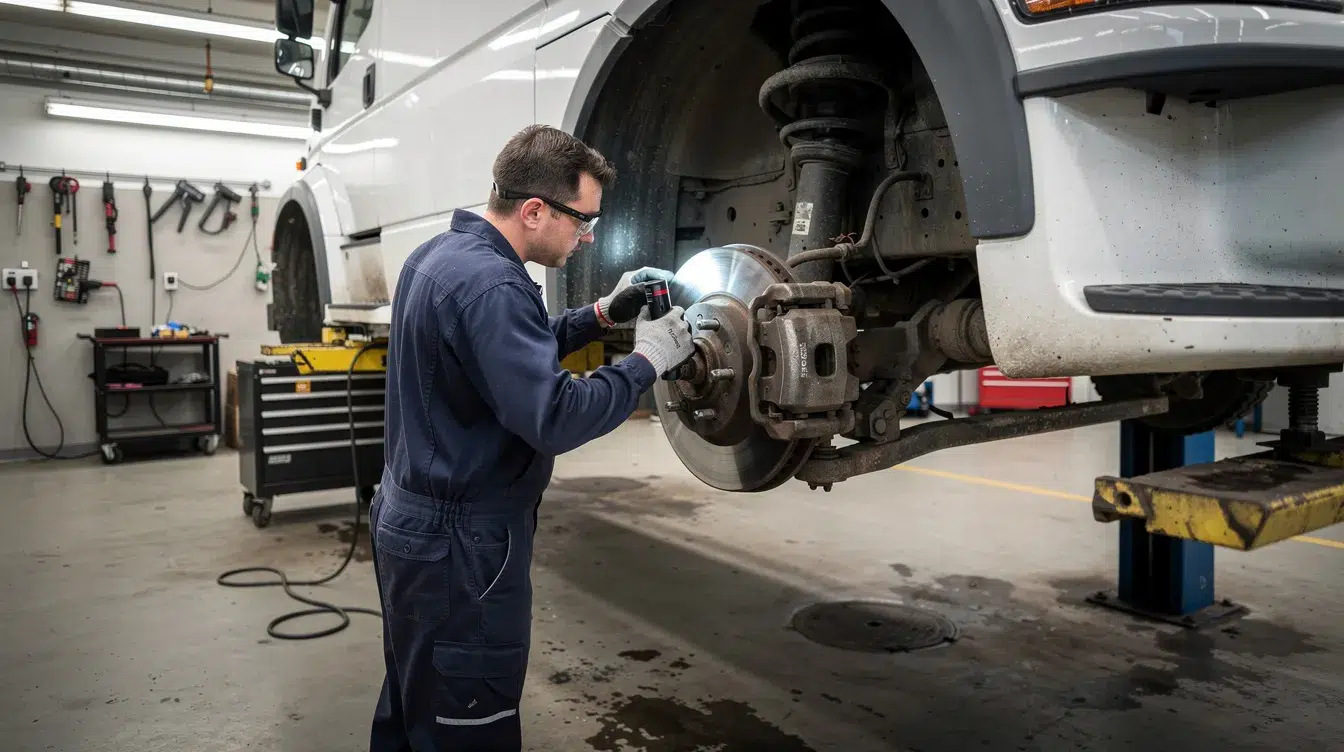
FCG focuses on compliance and documentation support – maintenance file organization, checklist templates, and audit preparation – not on performing mechanical repairs.
FMCSA Registration, USDOT Number, and MOTUS/Biennial Updates
Having a USDOT number and operating authority is only the first step. DOT compliance requires a USDOT number for commercial vehicles meeting FMCSA thresholds. A USDOT number is required for vehicles over 10,001 pounds.
Basic registration elements:
- Applying for a USDOT number through FMCSA
- Obtaining MC operating authority for for-hire interstate carriers
- Designating a process agent
- Maintaining evidence of financial responsibility (insurance) based on your cargo and operation type
Carriers need to maintain proper insurance levels based on cargo and operations. If you haul hazardous materials or operate for-hire interstate, specific insurance minimums apply under Part 387.
Biennial updates are not optional. Carriers must submit the MCS-150 form every two years to update company information – address, number of vehicles, operation type, cargo classification, and driver count. Missing this filing can lead to USDOT number deactivation, which means you cannot operate legally.
The FMCSA conducts safety audits during the 18-month new entrant period for new carriers. If you recently received your authority, expect a safety audit during this window. DOT audits require organized records for a smooth process, and you should respond to DOT audit letters within one to two weeks.
Common small fleet pitfalls include forgetting biennial updates when nothing seems to have changed, failing to update when adding trucks or changing operation type, and ignoring warning letters. Even a one-truck company must treat registration maintenance as a recurring compliance task.
FCG helps manage USDOT and FMCSA registration filings, including MOTUS updates and biennial submissions, so small carriers do not miss deadlines that could jeopardize their authority.
Accident and Safety Recordkeeping
Under 49 CFR § 390.15, carriers must maintain an accident register for reportable crashes involving commercial motor vehicles. Accident records must be maintained for three years for all reportable crashes involving CMVs.
Which accidents must be recorded?
Crashes that meet FMCSA’s definition of a reportable accident: those involving a CMV that result in a fatality, an injury requiring immediate medical treatment away from the scene, or disabling damage resulting in a vehicle being towed. This is separate from any state police accident report.
The accident register must include:
- Date of accident
- City/town and state
- Driver name
- Number of injuries and fatalities
- Whether hazardous materials were released (excluding fuel from the CMV’s own tanks)
Supporting documents – police reports, insurance correspondence, internal reports, and post accident drug and alcohol testing records where testing is required – must also be retained.
When post accident testing criteria are met, alcohol testing must occur within specific time windows. Missing those windows creates a compliance gap that is difficult to explain during an investigation.
Penalties for failing to properly maintain an accident register can exceed $15,846 per violation. Even very small fleets should have a simple, consistent process for documenting incidents.
FCG can help small carriers develop an accident-response checklist and file structure so documentation is complete and consistent when incidents occur.
Ongoing Safety Program and Driver Compliance Oversight
Beyond having the right paperwork, FMCSA expects carriers to actively manage safety. Driver compliance – pre trip inspections, HOS adherence, accurate DVIRs, drug and alcohol program participation – is a shared responsibility. The driver performs the tasks, but the motor carrier must train, supervise, and enforce, and in small operations that follow-up often falls to owners or fleet managers handling alerts, schedules, and file reviews.
Practical oversight activities for small fleets:
- Periodic safety meetings or short toolbox talks (even 15 minutes monthly)
- Reviewing roadside inspection reports and addressing violations with documented coaching
- Monitoring driver logs for patterns – repeated HOS issues, skipped inspections, or late DVIRs
- Ride-alongs when feasible to observe driving habits and compliance in real conditions
Regularly reviewing FMCSA safety data helps small fleets stay compliant and address issues quickly. Poor roadside inspection performance can trigger interventions, increase insurance costs, and lead to a DOT audit.
If your small fleet hauls hazardous materials, additional training requirements, security plans, and specialized record keeping apply. These are areas where expert guidance is valuable rather than trying to interpret the regulations alone.
FCG offers basic safety policy templates, safety training modules, and help interpreting safety data and inspection reports – all scaled for small fleet operations.
Compliance Checklist Table for Small Fleets
This table summarizes recurring compliance tasks at a glance. It is general guidance, not a substitute for reading the regulations that apply to your specific operation.
|
Compliance Area |
What the Carrier Must Manage |
How Often |
|---|---|---|
|
Driver Qualification Files |
Maintain complete DQ file per 49 CFR 391 for each driver |
At hire; ongoing; annual reviews; update when documents change |
|
MVR Checks |
Pull and review motor vehicle records for each driver |
At hire and annually |
|
Medical Qualifications |
Verify current medical examiner’s certificate; track expirations |
At hire; renewal every 2 years (or as required) |
|
FMCSA Clearinghouse |
Pre-employment full queries; annual limited queries; violation reporting |
At hire; at least annually; within 3 business days for violations |
|
Drug & Alcohol Testing |
Pre-employment, random, post accident, reasonable suspicion, return-to-duty |
Ongoing per program requirements |
|
Hours of Service / ELD |
Monitor driver logs, supporting documents; ensure ELD compliance |
Daily oversight; 6-month document retention |
|
Vehicle Maintenance |
Systematic PM program; repair records; annual inspections; DVIRs |
Ongoing; annual inspection; DVIR daily when applicable |
|
Registration / MOTUS |
USDOT profile updates; MCS-150 biennial filing |
Every 2 years minimum; when changes occur |
|
Accident Register |
Document reportable crashes; retain supporting files |
Within days of incident; retain 3 years |
|
Training & Safety |
Safety meetings; inspection training; reasonable suspicion training |
Ongoing; at hire; as needed |
Digital tools can streamline record-keeping and maintenance alerts to avoid compliance gaps. If you want help turning this checklist into a working compliance calendar specific to your fleet, FCG can build one tailored to your operation.
How Compliance Workload Multiplies as a Small Fleet Grows
Here is how the administrative workload changes at real milestones:
Owner-operator (1 driver, 1 truck): You manage one DQ file (your own), one vehicle maintenance file, your own HOS records, one Clearinghouse query annually, and your own random testing pool through a consortium. It is manageable alongside dispatch and customer work – if you are organized.
2–3 drivers: Now you have two to three DQ files with separate medical card and CDL expiration dates, two to three annual MVR reviews, multiple Clearinghouse queries, a growing random testing pool, and maintenance files for each truck. Onboarding paperwork for new hires adds bursts of administrative work.
5 drivers: Five sets of renewal dates. Five annual MVR pulls. Five Clearinghouse queries. Random testing selections become more frequent. Training records, HOS oversight, and vehicle files multiply. The person handling all of this is likely also dispatching and managing customers.
10 drivers: At ten drivers, the number of recurring monthly tasks is substantial. Medical cards, CDL renewals, annual MVRs, Clearinghouse queries, random testing, vehicle maintenance scheduling, DOT inspections, training records, and registration updates create a compliance calendar that requires daily attention.
|
Fleet Size |
Approximate Recurring Compliance Tasks Per Month |
|---|---|
|
1 driver / 1 truck |
5–10 tasks |
|
3 drivers / 3 trucks |
15–25 tasks |
|
5 drivers / 5 trucks |
25–40 tasks |
|
10 drivers / 10 trucks |
50–80+ tasks |
Effective compliance management does not require a large budget but relies on consistency and organization. But consistency gets harder when every task falls on the same person who is also running the business. Automated reminders can help prevent missed deadlines for critical compliance documentation, but even the best calendar cannot compensate for bandwidth that simply is not there.
One missed renewal – a lapsed medical card, a skipped random testing pull, a forgotten biennial update – can result in a driver placed out of service at a roadside inspection, costly fines during an audit, or worse.
This is often the point where outsourcing starts to make sense. Once a carrier reaches three to five drivers, handing off some compliance administration to a partner like FCG means the owner is not personally tracking every renewal and query. You do not necessarily need to manage every recurring compliance task yourself.
DIY Compliance: Pros, Cons, and When It Works
Many one-to-three truck companies successfully handle compliance themselves. If the owner has previous safety or operations experience and pays close attention to detail, DIY can work – especially with low driver turnover.
Advantages:
- Direct control over every file and decision
- Lower direct spend on outside services
- Deep familiarity with day-to-day operations
- Ability to tailor processes to a very specific operation
Drawbacks:
- Owner or office manager time is consumed by administrative work
- Must stay current on changing DOT regulations, new regulations, and FMCSA guidance
- Manual tracking of recurring compliance dates invites human error
- If the one person who handles everything becomes unavailable, nothing gets done
Practical tips for DIY:
- Maintain a compliance calendar with reminders for biennial updates, annual MVRs, Clearinghouse queries, and random testing
- Use simple spreadsheets or task management tools to track expirations
- Set up alerts at least 60 days before critical deadlines
- Keep paper logs or digital copies organized by driver and vehicle
DIY is most realistic for very small operations with low turnover. Even then, FCG can be used selectively – for example, just for drug testing consortium services or Clearinghouse management – without taking over everything. The carrier remains ultimately responsible for compliance regardless of method.
Hiring a Dedicated Internal Compliance or Safety Employee
Some five-to-ten truck companies consider hiring a part-time or full-time compliance coordinator, though this is more common once fleets grow beyond ten to twenty trucks.
Advantages:
- Someone in-house who owns compliance tasks daily
- Available on-site for drivers and can respond quickly to roadside issues
- Can build and refine internal processes as the fleet grows
- Creates accountability and safety culture
Drawbacks:
- Salary and benefits costs that may be hard to justify for very small fleets
- The person needs specialized training to truly understand DOT requirements and FMCSA rules
- Dependence on a single employee – if they are out sick or leave, compliance gaps open immediately
- May not have enough work to fill a full-time role at smaller fleet sizes
A dedicated compliance owner helps manage regulatory requirements effectively in small fleets, but internal safety personnel still benefit from external support, training, and occasional mock audits. FCG can supplement an internal hire, not replace them.
If the compliance role would only require a few hours of work per week at your current fleet size, a full-time hire may be premature. An outsourced partner could be more practical until the fleet and workload justify the salary.
Outsourced Compliance Partner: Where It Fits for Small Fleets
Outsourced DOT compliance means a third party like FCG provides compliance services for administrative and tracking tasks – DQ files, drug testing, Clearinghouse, training documentation, MOTUS filings – while the carrier retains legal responsibility.
Advantages:
- Access to specialized transportation compliance expertise without a full-time salary
- Scalable support that grows with your fleet
- Systems and tools already built – no setup from scratch
- Reduced internal paperwork and deadline-tracking burden
- Continuity even when internal staff change
Limitations:
- The carrier must still provide accurate operational information
- On-the-ground safety culture cannot be outsourced – that starts with leadership
- Scope depends on the service agreement
- Not every task can or should be handled externally
Areas where outsourcing commonly helps 1–10 truck fleets:
- Setting up and managing drug and alcohol testing consortiums
- Managing driver qualification files, MVR checks, and medical card tracking
- Handling Clearinghouse queries and reporting
- Organizing maintenance and accident records
- Guiding through new entrant safety audits and audit preparation
Outsourcing does not mean giving up control. It means getting a trusted partner that keeps you informed through compliance dashboards, regular status updates, and alerts when action is needed.
DIY vs. Internal Employee vs. Outsourced Partner
|
Factor |
DIY |
Internal Employee |
Outsourced Partner (e.g., FCG) |
|---|---|---|---|
|
Administrative workload on owner |
High |
Low (transferred to employee) |
Low (transferred to partner) |
|
Expertise required from owner |
Significant |
Moderate (hire must be trained) |
Low (partner brings expertise) |
|
Scalability |
Limited by owner’s time |
Scales with headcount |
Scales with service agreement |
|
Direct cost |
Lowest (owner’s time is hidden cost) |
Salary + benefits |
Service fees (typically less than a full hire) |
|
Coverage / availability |
Single point of failure |
Single point of failure |
Team-based, continuous |
|
Carrier retains legal responsibility |
Yes |
Yes |
Yes |
|
Best fit for fleet size |
1–3 trucks, low turnover |
10+ trucks or high-risk operations |
1–10+ trucks, growing operations |
No approach is universally superior. The right answer depends on your fleet size, growth plans, risk tolerance, and how much time you realistically have. Contact FCG to discuss which mix of internal and outsourced compliance support makes the most sense for your current operation.
How Focused Compliance Group (FCG) Supports Small and Growing Fleets
FCG works daily with 1–10 truck companies, owner-operators hiring their first drivers, and small carriers preparing for audits or expanding into new lanes and commodities.
Core FCG services most relevant to small fleets:
- DOT compliance management and ongoing compliance tracking
- Driver qualification file setup and maintenance
- Driver onboarding support and hiring checklists
- FMCSA Drug & Alcohol Clearinghouse registration and query management
- DOT drug and alcohol testing program administration and consortium/C/TPA services
- MVR and background check coordination
- DOT physical coordination
- MOTUS and FMCSA registration support, including biennial filings
Additional support:
- Compliance tracking systems with email or dashboard alerts for upcoming expirations
- Reasonable suspicion training for supervisors
- Safety program development scaled to small operations
- Mock audits and audit preparation for new entrant and compliance reviews
How it typically works: FCG reviews your current files and processes, identifies gaps, and creates a tailored plan covering what you want to outsource versus keep in-house. Ongoing check-ins keep you informed without requiring you to log into portals or chase paperwork.
The goal is straightforward: let the owner stay focused on customers, loads, and equipment while knowing that compliance tasks are being tracked and handled by people who do this work every day. FCG is a trucking compliance company that specializes in small fleets – practical communication, realistic expectations, and an understanding of how small carriers actually operate.

FAQ
These FAQs address common questions from small fleet owners and new carriers that are not fully covered in the sections above.
Do I need DOT compliance if I only run intrastate within one state?
Many states adopt FMCSA rules or have their own DOT-equivalent regulations for intrastate commercial vehicles over certain weight thresholds. Even intrastate-only operations often face similar requirements for driver qualification, hours of service, vehicle maintenance, and drug and alcohol testing for CDL drivers. The exact rules vary by state – check with your state DOT or public utilities commission. FCG can help you interpret how federal and state rules interact for your particular operation, so you understand which compliance standards apply before you run into problems.
Do I need a driver qualification file for myself as an owner-operator?
If you drive a commercial motor vehicle subject to FMCSA safety regulations, you must meet the same qualification standards as any other driver. While you may not think of it as a “file on yourself,” you still need to maintain equivalent records – MVRs, a current medical examiner’s certificate, license copies, and proof of road test or CDL equivalency. Treat your own records as a DQ file. When an auditor shows up, they expect to see documentation for every driver, including the owner. FCG can help set up a compliant self-DQ file structure that is audit-ready.
What changes when I hire my first driver besides myself?
Once you employ another driver, you must maintain a formal DQ file for that person, run required background checks, and – if Part 382 applies – conduct a Clearinghouse pre-employment query and enroll them in a drug and alcohol testing program. You also need to formally train them on company policies, hours-of-service expectations, and vehicle inspection procedures. This is the point where a repeatable onboarding process becomes important so you avoid missing regulatory requirements that carry real consequences.
Do small fleets need a written safety manual or program?
FMCSA does not mandate a specific “safety manual” document by name, but carriers are expected to have policies and procedures that ensure compliance with hours-of-service rules, drug and alcohol requirements, vehicle inspections, and driver qualification standards. Even very small fleets benefit from putting key policies in writing – HOS expectations, inspection procedures, accident reporting steps – to ensure consistency as drivers are added. FCG can help develop practical, operation-sized safety materials without drowning a small company in unnecessary documentation.
If I outsource compliance, am I still responsible in a DOT audit?
Yes. The motor carrier is always legally responsible for compliance outcomes set by the Department of Transportation, a federal agency, and FMCSA, regardless of whether a compliance company, software tool, or consortium handles administrative tasks. A good outsourced partner like FCG can prepare files, track deadlines, flag issues early, and guide your responses during an audit – but the carrier must ensure that the information provided is accurate and that day-to-day operations match documented policies. Outsourcing reduces your workload. It does not transfer your responsibility.