
If you run a trucking company, you already know that DOT compliance is a full-time job hiding inside your full-time job. Between driver files, drug and alcohol testing, Clearinghouse queries, vehicle inspections, and a list of deadlines that never stops growing, it’s easy to spend more time on paperwork than on moving freight.
That’s where DOT compliance services come in. This article breaks down what a compliance partner actually handles, what stays on your plate, and how to figure out whether outsourcing makes sense for your operation.
Key Takeaways
- DOT compliance services cover recurring administrative tasks like Driver Qualification File management, drug and alcohol testing programs, FMCSA Clearinghouse reporting, expiration tracking, and recordkeeping-work that repeats monthly, quarterly, and annually for every driver and vehicle in your fleet.
- Outsourcing to a DOT compliance company does not remove the carrier’s legal responsibility for operating safely. It shifts a large portion of the administrative burden so your team can focus on operations, drivers, and customers instead of chasing paperwork.
- Motor carriers with 1–100 trucks often spend disproportionate time on compliance instead of revenue-generating work. A partner like Focused Compliance Group (FCG) can step in to manage these systems, handle documentation, and keep things organized without replacing your safety leadership.
- Common pain points include keeping up with changing DOT regulations, tracking expirations for medical cards and CDLs, managing driver files that are never quite complete, and preparing for audits without last-minute scrambling. DOT compliance must be reviewed regularly and treated as a priority to avoid fines and prevent small gaps from becoming serious problems.
- If you already know you need help managing DOT compliance, talk with Focused Compliance Group about outsourced DOT compliance management tailored to your fleet size and needs.
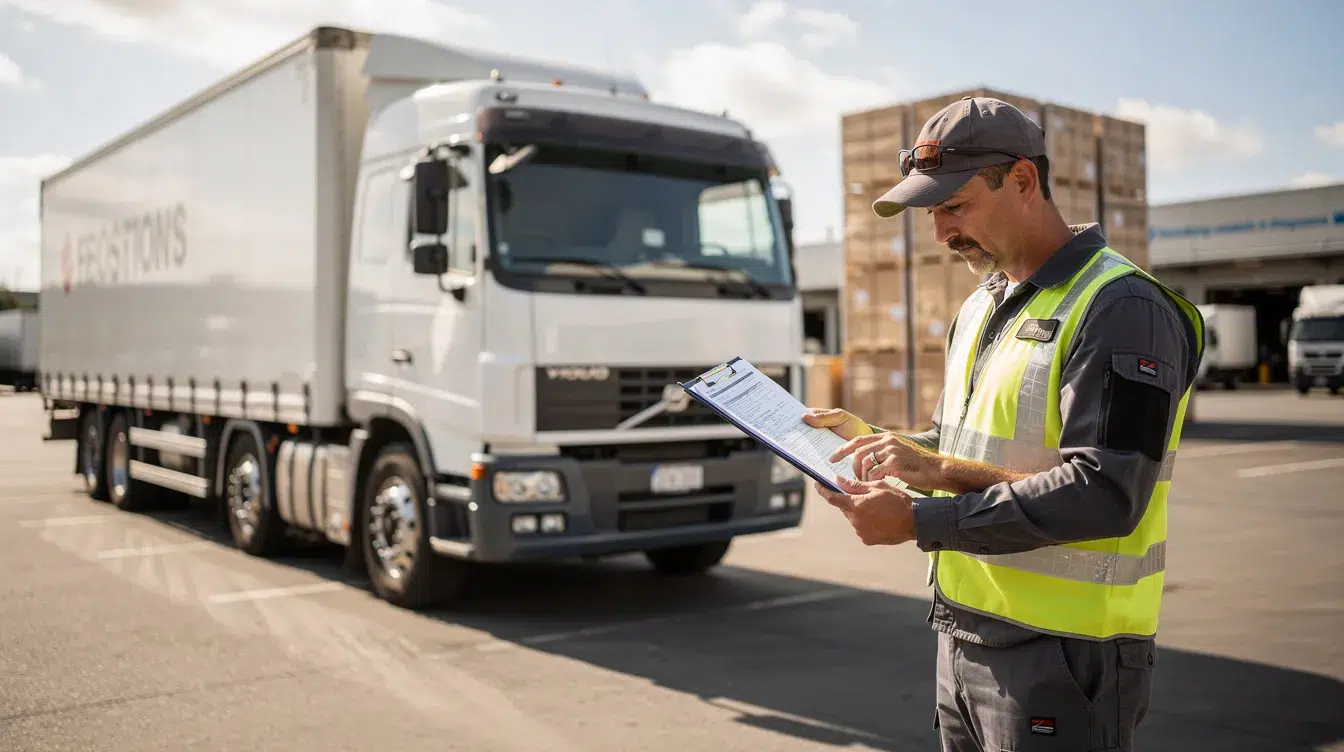
What Are DOT Compliance Services-and Why Do They Eat Up So Much Time?
DOT compliance services help commercial motor carriers meet the regulations set by DOT and FMCSA. In practical terms, that means supporting your company with the documentation, testing, tracking, and recordkeeping that federal law requires for every driver, vehicle, and operation you manage.
For motor carriers, the bulk of this work falls under FMCSA rules (specifically 49 CFR Parts 382, 383, 387, and 390–399). We’re not talking about aviation, rail, or maritime. We’re talking about trucks, CDL drivers, and the mountain of paperwork that comes with keeping them legal on the road. FMCSA regulates motor carriers through requirements covering registration and driver qualifications, and every one of those requirements generates recurring administrative work.
DOT compliance breaks down into two broad categories: fleet compliance (vehicles, maintenance, inspections) and driver compliance (Driver Qualification Files, training, testing). DOT compliance is required for vehicles with a USDOT number, which means even a single-truck operation is subject to most of the same rules as a carrier with 100 trucks.
Here’s where the time drain becomes real. Pulling annual MVRs by each driver’s hire date. Updating medical exam information before it expires. Filing UCR renewals. Running Clearinghouse queries for every driver, every year. None of this is a one-time task-it all comes back around on a schedule that doesn’t pause because you’re busy hauling freight.
DOT compliance services also help avoid penalties for trucking companies by catching gaps before they turn into violations-or worse, before an auditor finds them first.
So the question is straightforward: is managing all of this really the best use of your team’s time?
In-House vs. Outsourced DOT Compliance: What’s the Real Difference?
Picture a small carrier where the owner handles dispatch, the office manager handles billing, and “compliance” gets squeezed in between phone calls and load boards. Maybe someone pulls it off for a while with spreadsheets and a good memory. But people leave, drivers get added, and things slip through the cracks.
Now compare that with working alongside a DOT compliance company. The carrier still makes every decision about hiring, dispatch, maintenance, and safety culture. The compliance partner manages the systems-the paperwork, the tracking, the reminders, and the documentation that backs everything up.
Here are the issues that come up most often when carriers handle compliance internally:
- Compliance is a “side job” tacked onto someone’s real responsibilities
- Staff turnover wipes out institutional knowledge about what’s due and when
- Spreadsheets get outdated the moment someone forgets to update them
- Important dates get missed because no one is dedicated to watching them
Outsourced DOT compliance flips that script. You get structured processes, dedicated specialists who know the regulations, consistent monitoring, standardized documentation, and clear reporting. Outsourcing compliance can save time and reduce the administrative burden for trucking fleets-particularly those without a full-time safety department.
“We’re too small to afford help.” That’s one of the most common objections carriers raise. But a modest monthly compliance program can often cost less than one serious violation or a few lost loads due to an out-of-service order.
Focused Compliance Group provides ongoing DOT compliance support tailored to carriers with roughly 1–100 trucks, including support delivered online when that works best. FCG doesn’t replace your safety leadership-it supports the administrative side so your team can focus on running the business.
Major DOT & FMCSA Responsibilities Motor Carriers Must Manage All Year
This section gives you a high-level view of the recurring DOT requirements your company has to stay on top of. It’s not legal advice-always verify details with FMCSA or your state-but it shows why compliance eats up so much time.
Here are the major areas:
|
Responsibility |
Key Regulation |
Frequency |
|---|---|---|
|
Driver Qualification Files |
49 CFR Part 391 |
Per driver, ongoing |
|
Pre-employment investigations & background checks |
49 CFR §391.23 |
Each new hire |
|
FMCSA Drug & Alcohol Clearinghouse queries |
49 CFR §§382.701–.727 |
Pre-employment + annual |
|
DOT drug and alcohol testing programs |
49 CFR Parts 40 & 382 |
Ongoing / random |
|
Hours of Service (HOS) & ELD records |
49 CFR Part 395 |
Daily |
|
Vehicle inspection & maintenance files |
49 CFR Part 396 |
Per vehicle, ongoing |
|
Insurance & MCS-90 filings |
49 CFR Part 387 |
Annual / as needed |
|
Registration (USDOT number, MC authority, UCR, BOC-3) |
Parts 365, 385, 390 |
Annual / as needed |
|
Accident registers |
49 CFR §390.15 |
Per incident |
|
IFTA reporting |
State agreements |
Quarterly |
IFTA reporting assists in tracking state mileage and fuel tax obligations across state lines-an easy one to overlook when you’re focused on the safety side.
Hours of Service compliance involves tracking driving time and rest breaks for drivers. Electronic logging devices are now required for driver record-keeping, replacing the old paper log system. Vehicle maintenance records must document inspections and repairs for commercial motor vehicles. The Safety Measurement System assesses carrier safety performance through inspections and crash reports, meaning your compliance history follows you.
Most of these are not “one and done” tasks. They repeat annually, quarterly, monthly, or every time you hire a driver or add a vehicle. Miss one, and it might not matter. Miss several, and you’re looking at a pattern that shows up in your CSA scores.
FCG typically begins new relationships with a practical review of these core areas to see what’s missing or at risk. That initial look often reveals more gaps than the carrier expected.
7 Key Areas a DOT Compliance Partner Can Take Off Your Plate
This is the heart of the article. Below, we break down seven specific responsibilities that a DOT compliance consultant or company can manage-or at least heavily assist with.
Here’s the overview:
- Driver Qualification File (DQF) management
- Driver onboarding, qualification, and background checks
- FMCSA Drug & Alcohol Clearinghouse responsibilities
- DOT drug and alcohol testing program administration
- Monitoring expirations, renewals, and recurring documentation
- Ongoing DOT/FMCSA compliance support and recordkeeping
- Audit readiness and staying organized
Carriers can outsource all seven or pick only the parts that make sense for their operation. It’s not all or nothing.
Each section below covers what’s required, what usually goes wrong in-house, and how outsourcing helps.

1. Driver Qualification File (DQF) Management
A Driver Qualification File is a collection of documents the carrier must maintain for each CDL or CMV driver, as required under 49 CFR Part 391. It’s not optional, and the contents are specific.
Driver Qualification Files must include employment history and motor vehicle records for compliance, along with:
- Application for employment
- Motor vehicle records (MVRs) pulled annually
- Prior employment safety performance history (past 3 years)
- Medical examiner’s certificate
- Road test certificate or equivalent
- Annual review of driving record
- Driver’s license copy
Common in-house problems with DQFs include incomplete prior employer verifications, outdated medical cards, missed annual MVR pulls, and misfiled documents. In a 10-truck fleet without a dedicated safety person, these gaps accumulate quietly until an audit or roadside inspection surfaces them.
A DOT compliance services provider can build and maintain DQFs using standardized checklists, digital document storage, alerts for missing or expiring items, and pre-audit reviews. FCG helps carriers organize legacy paper files, convert to electronic DQFs, and keep them audit-ready without the last-minute scramble.
2. Driver Onboarding, Qualification, and Background Checks
Getting a new driver from application to first dispatch involves more steps than most carriers realize:
- Application review
- CDL verification (CMV drivers must earn a commercial driver license, and CDLs cover categories based on vehicle type and cargo)
- Background checks, which are required for driver certification
- Previous employer safety performance investigations under 49 CFR §391.23
- Clearinghouse pre-employment query
- Required driver training (entry-level driver training rules effective February 7, 2022, for certain CDL applicants)
DOT requires specialized physical exams every two years for CMV operators, and that status must be confirmed before a driver operates a commercial vehicle. Employers must conduct previous employer checks within 30 days of hire-a deadline that’s easy to miss when you’re trying to get a driver on the road quickly.
Driver training includes instruction and hands-on practice, and the documentation proving that training was completed needs to live in the file from day one.
Administrative headaches pile up here: chasing down prior employers who don’t respond, inconsistent documentation formats, delayed starts because paperwork isn’t ready, and the risk of missing a required form that doesn’t get caught until months later.
A third-party DOT compliance company can standardize onboarding packets, handle background check coordination, verify CDL and medical status, and confirm all DOT requirements are met before a driver is placed in a safety-sensitive role. FCG can work with carriers’ existing HR or recruiting tools so that compliance doesn’t slow down hiring-but doesn’t get skipped either.
3. FMCSA Drug & Alcohol Clearinghouse Responsibilities
The FMCSA Drug & Alcohol Clearinghouse went live on January 6, 2020, and created a new set of responsibilities for every carrier employing CDL drivers in safety-sensitive functions.
Key carrier obligations:
- Register in the Clearinghouse as an employer
- Run pre-employment full queries before hiring a CDL driver
- Run annual limited queries on every current CDL driver
- Report certain drug and alcohol violations and return-to-duty status
- Maintain records of driver consent and completed queries
Common problem areas include confusion about limited versus full queries, missed annual query deadlines, failure to report a positive test or refusal in a timely manner, and lost login access that delays everything else. Since January 6, 2023, Clearinghouse queries can also satisfy the prior employer safety performance history requirement under §391.23(e)-but only if they’re done correctly.
Outsourced DOT compliance support can manage the entire Clearinghouse workflow: scheduling queries, tracking completions, managing driver consents, and assisting with violation reporting when needed. FCG can include Clearinghouse support as part of a broader FMCSA compliance program so the carrier doesn’t have to monitor every rule change or reminder independently.
4. DOT Drug and Alcohol Testing Program Administration
Federal DOT drug and alcohol testing requirements under 49 CFR Part 40 and Part 382 apply to all CDL drivers in safety-sensitive positions. Drug and Alcohol Testing Programs require pre-employment and random testing for drivers, along with several other testing categories.
Required testing types:
- Pre-employment (drug test required before a driver performs safety-sensitive functions)
- Random (selections from a pool at rates set by FMCSA)
- Post-accident (under specific qualifying criteria)
- Reasonable suspicion (when a trained supervisor observes signs of impairment)
- Return-to-duty (after a violation, before resuming safety-sensitive duties)
- Follow-up (ongoing testing after return-to-duty)
Carriers must meet FMCSA’s annual random testing rates. As of the most recent published rates, that’s 50% for drugs and 10% for alcohol-though these rates can change, so always verify current requirements on FMCSA’s website.
The administrative work is significant: maintaining a random selection pool, notifying drivers, scheduling collections, securing chain-of-custody forms, tracking results, and keeping records for required retention periods. For a carrier with 20 or 30 drivers, this is a recurring time sink that demands accuracy and confidentiality.
A consortium/third-party administrator (C/TPA) or DOT compliance company can handle random selections, lab coordination, result management, and reporting. FCG can provide full DOT drug and alcohol testing program management, including reasonable suspicion training for supervisors and coordination of alcohol testing after qualifying incidents.
5. Monitoring Expirations, Renewals, and Recurring Documentation
Many compliance violations come not from bad intent but from overlooked dates. An expired medical card. A lapsed CDL. A missed annual MVR pull. A UCR registration that nobody remembered to renew.
Here’s a partial list of items that must be renewed or updated on a schedule:
- Driver’s license / CDL
- Medical examiner’s certificate (DOT requires physical exams for CMV drivers every two years)
- Annual driver record review
- Clearinghouse annual query
- Vehicle annual inspections
- Insurance certificates
- UCR registration
- Hazmat endorsements or TWIC cards (for certain operations involving hazardous materials or that transport hazardous materials)
Spreadsheets and sticky notes work when you have two trucks and two drivers. They start failing as soon as you add a third. One forgotten date can mean a driver gets pulled at a weigh station or a vehicle gets put out of service.
A DOT compliance management partner uses tracking systems to flag upcoming expirations 30–60 days in advance and send clear, actionable reminders. FCG often customizes reminder schedules based on how far out a fleet likes to plan, helping small and midsize carriers avoid costly fines and prevent preventable roadside out-of-service situations.
6. Ongoing DOT/FMCSA Compliance Support and Recordkeeping
Compliance is a process, not a project. The records you need to maintain don’t stop accumulating, and neither do the rules that govern how long you keep them.
Key records carriers must maintain include:
- Driver Qualification Files
- Drug and alcohol testing records
- Vehicle maintenance and inspection files
- Hours-of-service logs and ELD data
- Accident registers
- Driver and vehicle rosters
- Company safety policies and procedures
The challenge for in-house teams is that documents end up spread across emails, local drives, paper folders, and multiple software platforms with no single source of truth. When someone needs to find a specific record-during an audit, after an accident, or just to answer a simple question-it turns into a scavenger hunt.
A third-party DOT compliance company can centralize and organize records, apply standard naming and filing structures, and maintain retention schedules so nothing gets deleted too early or kept past its useful life. FCG can also answer day-to-day questions-“Can this driver run this load?” “Does this vehicle need an inspection before Friday?”-so safety and operations managers aren’t left guessing.
7. Audit Readiness and Staying Organized for When FMCSA Knocks
DOT compliance audits ensure companies meet regulatory requirements. Audits can be triggered for various reasons by the DOT-roadside violations, crash involvement, new entrant status, or even random selection. Companies typically receive audit notification letters one to two weeks in advance, which doesn’t leave much time to get organized if your records aren’t already in order.
Common audit document requests include:
- Complete Driver Qualification Files
- Random drug and alcohol testing summaries
- Driver rosters
- Vehicle lists with VINs and registration details
- Maintenance and inspection files
- Accident register
- Insurance certificates
The real stress during an audit usually comes from hunting for missing or incomplete documentation, not from the regulations themselves. DOT compliance audits require organized records for a smooth process, and complete records help respond quickly to DOT audit requests.
Safety audits and mock inspections help identify compliance vulnerabilities before official audits catch them. Outsourcing parts of compliance helps carriers stay “inspection-ready” with organized documents and clear indexes instead of last-minute file cleanups.
FCG offers mock audits and audit preparation as separate services, but the real benefit is the day-to-day organization that reduces stress whenever audits occur.
What Carriers Commonly Miss When Managing DOT Compliance Internally
Based on what compliance partners typically find when they first review a carrier’s files, here are some of the most common oversights in small and mid-size fleets:
- Lapsed UCR registrations that nobody remembered to renew
- Drivers operating with expired medical cards because no one was tracking the two-year cycle
- New drivers never enrolled in the random testing pool after onboarding
- Missing vehicle maintenance records for routine repairs that were done but never documented
- No accident register after minor crashes that still met DOT-recordable criteria
- Clearinghouse annual queries skipped because the carrier didn’t realize they were required every year-not just at hire
Each of these is usually fixable. But they’re far easier to prevent when someone is dedicated to tracking them. The goal of outsourcing is not to scare carriers-it’s to reduce surprises and help you operate with confidence.
How Outsourced DOT Compliance Services Work in Practice
If you’ve never worked with a DOT compliance company before, here’s what a typical engagement looks like:
- Days 1–30: Initial assessment. The provider reviews your current DQFs, drug and alcohol program status, Clearinghouse registration and query history, vehicle inspection and maintenance logs, registrations, and authority items. They identify what’s missing, what’s expired, and what’s at risk.
- Days 30–60: Cleanup. This is where the heavy lifting happens-completing missing prior employer investigations, pulling overdue MVRs, collecting medical certificates, enrolling drivers in random testing pools, ensuring Clearinghouse compliance, and fixing lapsed registrations or insurance filings.
- After 60 days: Ongoing monitoring. The compliance partner sets up reminder systems, standardizes workflows for new driver onboarding, and establishes a regular cadence of file reviews-monthly, quarterly, or whatever fits the carrier’s size and risk level.
- Within 90 days: Most carriers are significantly more audit-ready and spending noticeably less admin time on compliance.
FCG emphasizes having real people who know your operation-not a ticketing system or generic software interface. When you call, you talk to someone who knows your fleet.
Cost Considerations: In-House Compliance vs. a Compliance Partner
Let’s put some rough numbers to it. If a safety manager or office administrator spends 10–20 hours per week on compliance tasks-DQFs, inspections, drug testing coordination, Clearinghouse management-at a loaded cost of $25–$50 per hour, that’s $1,000 to $4,000 per month in labor alone.
Add in software subscriptions, document storage, ongoing training on regulatory compliance changes, and renewal fees, and the real cost climbs higher.
Outsourced fleet compliance management typically runs as a modest monthly retainer or per-driver/per-vehicle fee. For small carriers, this often comes in well under the cost of a dedicated internal compliance person-and well under the cost of one serious violation.
Consider the hidden costs of keeping everything in-house:
- Training new staff every time someone leaves
- Buying and learning multiple tools that don’t talk to each other
- Pulling experienced operations or dispatch staff away from revenue-generating work to “fix” compliance issues
One out-of-service order can ground a truck for days. One failed audit can result in a conditional safety rating that affects your ability to win loads. DOT compliance services help avoid penalties and protect the revenue your fleet works hard to earn.
If you’re curious whether outsourcing makes sense for your fleet, FCG offers a no-obligation review to help you see where you stand and what kind of support would make the biggest difference.
What You Still Own: Safety Responsibilities You Can’t Outsource
No DOT compliance company can assume legal responsibility for operating safely. That always remains with the motor carrier.
Here’s what stays on your side of the line:
- Hiring standards and employment decisions
- Dispatch and load assignments
- Vehicle maintenance practices and repair decisions
- Safety culture and enforcement of company policies
- Driver coaching, discipline, and day-to-day operational oversight
A compliance partner supports these efforts by making sure the paperwork, training documentation, testing programs, and records behind them are in place and current. FCG views its role as a partner and advisor, not a replacement for your safety leadership.
Who Benefits Most from Outsourced DOT Compliance Services?
The sweet spot tends to be:
- Carriers with 1–100 trucks that don’t have full-time safety staff
- Owner-operators growing into small fleets who suddenly face a wall of new requirements
- Private fleets adding interstate operations that trigger CDL and FMCSA compliance obligations
- New entrant carriers within their first 12–18 months of authority
- Family-owned companies where one person wears five hats and compliance is always the last one on
Larger fleets can also benefit by supplementing internal teams with specialized DOT compliance support for specific areas like DQF management or drug and alcohol testing administration.
How to Choose the Right DOT Compliance Company
When evaluating any compliance partner, ask these questions:
- Do they understand your type of operation? A compliance consultant who’s never worked with flatbed carriers or hazmat operations may miss industry-specific requirements.
- Can you talk to the same person regularly? Consistency matters. You want someone who knows your fleet, not a different rep every time.
- What services are included vs. extra? Get clarity on what the monthly fee covers and what’s billed separately.
- How do they handle data security and record retention? Your drivers’ personal information and test results need proper protection.
- Are they current on regulatory changes? Ask how they stay updated on FMCSA rules, Clearinghouse updates, and testing rate changes.
- Can they show examples of helping carriers your size? Ask for references from businesses similar to yours.
Look beyond software features. The difference between a good compliance partner and a mediocre one usually comes down to service quality, accessibility, and experience working directly with carriers.
Questions to Ask Before You Outsource DOT Compliance
Use this list when talking to any potential DOT compliance partner-including FCG:
- What exactly will you manage, and what responsibilities stay with us?
- How often will you review our files or conduct internal checks?
- How quickly do you respond to questions-same day? Next business day?
- Can you help us if we receive an audit notice or warning letter?
- How do you stay updated on changes to DOT regulations and FMCSA guidelines?
- Will you work with our existing tools and software, or do we need to switch?
- What does onboarding look like, and how long before we’re up and running?
- How is pricing structured-flat fee, per driver, per vehicle?
This is a genuinely helpful buyer’s checklist whether you end up working with FCG or someone else.
Integrating Compliance Support with Your Operations and Dispatch
Compliance can’t operate in a silo. It has to align with dispatch, HR, maintenance, and customer commitments-or it becomes a bottleneck instead of a safety net.
A good DOT compliance services partner coordinates with real-world scheduling. That means helping carriers avoid situations where a driver is dispatched but isn’t actually cleared or compliant-maybe a medical card expired last week, or a Clearinghouse query never got run.
For example, FCG can work with a safety manager to verify driver eligibility before new lanes start, or flag upcoming expirations that could impact coverage on a specific run. The goal is to protect revenue by preventing avoidable disruptions while keeping drivers and passengers on the road safe.
Common Objections to Outsourcing-and Practical Responses
“We’re too small.” Small fleets often benefit the most. There’s no small-fleet exemption from FMCSA requirements. A carrier with five trucks has nearly the same compliance obligations as one with fifty. The difference is that the five-truck carrier has far less bandwidth to handle them.
“We don’t want another monthly bill.” Understandable. But compare that monthly bill to the cost of a violation, the speed at which an out-of-service order stops revenue, or the hours your team spends each week on compliance instead of operations. The math usually favors getting help.
“We’re worried about losing control.” You don’t lose control. You keep every hiring, dispatch, and safety decision. The compliance partner handles the administrative systems and documentation that support those decisions. You maintain full authority over your operation.
“We already bought compliance software.” Software is a tool, not a solution. Without someone reviewing, reminding, enforcing, and validating actions, violations still occur. FCG can often work alongside existing tools rather than replacing them-adding the human oversight that software alone can’t provide.
When Is the Right Time to Bring in a DOT Compliance Partner?
Rather than abstract advice, here are practical trigger points:
- You’re adding your second or third truck and realizing the paperwork just doubled
- You’re hiring CDL drivers for the first time and aren’t sure what the onboarding file needs
- You’re facing a New Entrant Safety Audit and don’t feel prepared
- You received a warning letter or conditional rating
- Compliance tasks regularly get pushed to nights and weekends
- You lost an office person who “knew where everything was” and now nobody does
If any of these sound familiar, it’s worth exploring options before a problem shows up. FCG often starts with a focused project-like DQF cleanup or drug and alcohol testing program setup-that can grow into broader support if it’s helpful.
How Focused Compliance Group Supports Motor Carriers Day to Day
Here’s a practical summary of how FCG typically helps:
- DQF setup and management: Building, organizing, and maintaining complete Driver Qualification Files for every driver
- Driver onboarding support: Standardizing the steps from application to first dispatch so nothing gets skipped
- Clearinghouse queries: Running pre-employment and annual queries, managing consents, and tracking completions
- DOT drug and alcohol program administration: Managing random testing pools, coordinating collections, tracking results, providing reasonable suspicion training
- Fleet compliance tracking: Monitoring expirations, renewals, and recurring deadlines across drivers and vehicles
- Ongoing compliance questions: Answering the day-to-day questions that come up when you’re trying to implement DOT regulations in the real world
FCG works with trucking companies, fleets, and owner-operators expanding into fleets-not just large carriers with dedicated safety departments. The goal is to fit into your current workflow and make compliance something that runs in the background, not something that takes over your week.
Ready for Help with DOT Compliance?
If you’ve read this far and already know you don’t want to manage all of this alone, there’s no reason to wait. Talk with Focused Compliance Group about a practical compliance plan for your fleet.
Whether you need help with one area or all seven, FCG can review your current DOT compliance situation and help you figure out what makes sense to keep in-house and what to hand off. No pressure, no hard sell-just a straightforward conversation about where you stand and what would actually help.
You Don’t Have to Manage All of This Alone
If the list of responsibilities in this article felt uncomfortably familiar-because you’re already behind on some of them-you’re not alone. Most carriers with 1–100 trucks are managing compliance on top of everything else they do.
Request a quick compliance review from FCG to see what’s working, what’s missing, and where outside help could save you real time. A phone call, a brief questionnaire, or a simple email is all it takes to get started.

FAQ
These FAQs address questions that come up frequently but aren’t fully covered in the sections above. If you don’t see your question here, FCG is happy to answer it directly.
What is the difference between DOT compliance software and a DOT compliance company?
Software gives you tools-reminders, document storage, checklists. A DOT compliance company like FCG provides people, expertise, and hands-on management of tasks and documentation. Software can tell you a medical card is expiring. A compliance partner will follow up, collect the updated card, file it properly, and make sure the driver’s record is current. Many carriers use both: software for data, a partner for process and oversight.
Can a very small fleet or owner-operator benefit from outsourced DOT compliance?
Yes. Even a single truck with a USDOT number must meet many of the same DOT requirements as a 50-truck fleet. Small operations often have the least time and staff to keep up with paperwork, which makes them more vulnerable to gaps. FCG can scale services to match size and budget, focusing on the highest-risk areas first-like DQFs, testing, and Clearinghouse-before expanding if needed.
Do I still need an internal safety manager if I work with a DOT compliance company?
Many small carriers don’t have a dedicated safety manager-and that’s exactly where an outsourced partner fills the gap. For larger fleets with safety staff, a company like FCG acts as an extension of the team, taking on routine administrative and documentation tasks so internal staff can focus on coaching drivers, responding to incidents, and improving safety performance on the road.
How quickly can a DOT compliance partner get my company organized?
It depends on the current state of your files, but most carriers can expect an initial review within the first few weeks, major cleanup within 30–60 days, and a fully functioning ongoing compliance system within 90 days. Many carriers start seeing immediate relief as soon as someone begins organizing DQFs, enrolling drivers in random testing pools, and running overdue Clearinghouse queries.
Can a DOT compliance company help if I’ve already received a warning letter or failed an audit?
Past issues can’t be erased, but a compliance partner can help you respond appropriately, correct the problems identified, and put stronger systems in place going forward. FCG can review the letter or audit findings, prioritize what needs to be fixed first, and recommend a practical action plan to get your operation back on track and prevent repeat issues.
Talk with Focused Compliance Group About Your DOT Compliance Load
DOT compliance is part of running a trucking company. But managing every piece of it yourself doesn’t have to be.
Many carriers benefit from taking recurring administrative tasks off their plate-freeing up time to run trucks, take care of drivers, and grow their business. FCG helps keep the compliance side organized and on track so you can focus on what you actually got into this industry to do.
Contact Focused Compliance Group for a straightforward conversation about which parts of your DOT compliance program you want to keep in-house and which parts you’d like help with. No obligation, no pressure-just a clear look at where you are and what would make the biggest difference for your operation.